


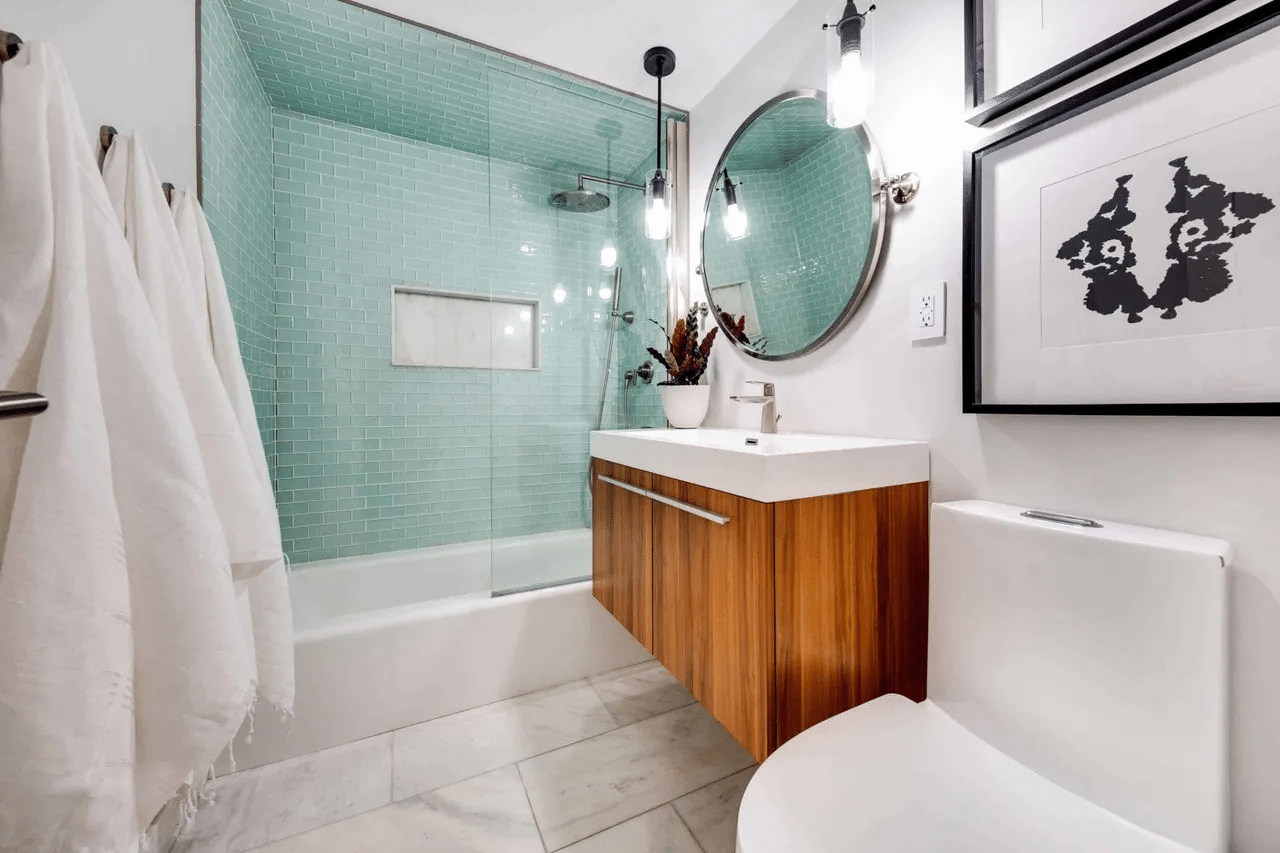
Small bathroom renovations require thoughtful planning, especially when space is limited and every design choice matters. Rather than focusing on scale, these projects emphasize efficiency, balance, and a sense of visual openness. Compact layouts challenge homeowners to think creatively about storage, proportion, and flow, often transforming tight spaces into functional and visually appealing rooms. Success typically comes from smart design strategies that make the area feel larger than it is, relying on subtle adjustments instead of major structural changes. With careful attention to detail and a strong balance between form and function, small bathrooms can overcome spatial constraints through intelligent design.
Homeowners planning updates for compact bathrooms often look for inspiration that demonstrates how space can be maximized without overcrowding. Visual references can help clarify what is possible in limited areas. Examples of efficient layouts and finishes can be explored through this gallery of shower and bathroom renovation ideas.
Design led thinking plays a critical role in compact bathroom projects. Rather than focusing on what cannot fit, successful redesigns emphasize what can be optimized through layout, materials, and light.
Understanding the Challenges of Small Spaces
Compact bathrooms come with unique constraints. Limited square footage restricts movement, storage, and fixture placement. Poor planning can make the space feel cramped or visually cluttered.
Common challenges include insufficient storage, limited natural light, and awkward layouts. Addressing these issues requires an understanding of how people move through the space and how visual elements influence perception. A well-planned small bathroom redesign focuses on eliminating unnecessary elements while enhancing essential functions.
Layout Choices That Improve Flow
Layout is one of the most important considerations in small bathroom renovations. Keeping plumbing locations efficient while improving circulation can significantly enhance usability.
Designers often prioritize clear pathways and minimal obstructions. Wall mounted fixtures and compact layouts reduce visual bulk and free up floor space. In some cases, rearranging the placement of the vanity or shower can create a more balanced and open feel without expanding the room.
Using Light to Create a Sense of Space
Lighting plays a powerful role in how a bathroom feels. In small spaces, poor lighting can make the room appear smaller and less inviting.
Natural light should be maximized where possible through clear or lightly treated windows. Artificial lighting should be layered to avoid shadows. Recessed ceiling lights, wall sconces, and mirror lighting can work together to create even illumination. Light enhances surfaces and helps define space without adding physical elements.
Material Selection and Visual Continuity
Materials influence how spacious a room appears. Large format tiles, for example, reduce the number of grout lines and create visual continuity. This can make walls and floors appear more expansive.
Consistent finishes throughout the bathroom help unify the space. Using similar tones for walls, floors, and fixtures reduces visual fragmentation. Modern bathroom renovations often rely on simple color palettes to maintain clarity and openness in compact rooms.
Storage Solutions That Reduce Clutter
Storage is essential in small bathrooms, but poorly planned storage can overwhelm the space. Built in storage solutions often perform better than bulky standalone units.
Recessed shelving, vanity drawers, and mirrored cabinets provide storage without adding depth. Vertical storage makes use of wall height while keeping floor space clear. Thoughtful storage design supports daily use while maintaining a clean appearance.
The Role of Mirrors in Small Bathrooms
Mirrors are one of the most effective tools for visually expanding a small bathroom. They reflect light and create the illusion of depth.
Larger mirrors or mirrored walls can make the room feel wider. When positioned correctly, mirrors can also reflect natural light from windows or artificial lighting sources. This technique is commonly used in modern bathroom renovations to enhance brightness and openness. Information about renovation planning and service options can be explored through bathroom renovation services.
Fixture Selection for Compact Spaces
Choosing the right fixtures is critical in small bathroom redesign projects. Oversized fixtures can dominate the room and disrupt balance.
Compact toilets, slim profile vanities, and walk in showers are often preferred. Frameless shower screens reduce visual barriers and allow the eye to move freely across the space. Fixtures should be proportional to the room while still meeting functional needs.
Color Choices That Enhance Space
Color has a significant impact on perception. Lighter colors tend to reflect more light and make rooms feel larger. Neutral tones are commonly used in small bathrooms to create a calm and open atmosphere.
Accent colors can still be incorporated, but they should be used sparingly. Subtle contrast adds interest without overwhelming the space. A restrained palette supports clarity and cohesion.
Flooring Considerations for Small Bathrooms
Flooring choices influence both safety and appearance. Continuous flooring that extends throughout the bathroom can make the room feel larger.
Slip resistant materials are essential, but texture should be balanced to avoid visual heaviness. Light toned flooring with minimal pattern often works best in compact spaces. Floor direction, such as tiles laid lengthwise, can also influence perceived dimensions.
Integrating Modern Design Elements
Modern bathroom renovations often emphasize simplicity, clean lines, and functionality. These principles align well with small spaces.
Minimalist fixtures, concealed hardware, and streamlined surfaces reduce visual noise. Technology such as integrated lighting or smart ventilation can enhance comfort without adding clutter. Modern design focuses on efficiency as much as appearance.
Planning for Long Term Use
Design decisions should consider long term needs, not just immediate aesthetics. Accessibility, durability, and ease of maintenance are important factors.
Choosing materials that age well and layouts that accommodate changing needs adds value over time. Small bathroom renovations benefit from forward thinking design that supports both present and future use.
Budget Conscious Design Strategies
Working within a budget does not mean compromising on design quality. Prioritizing key elements such as layout, lighting, and storage can deliver significant impact.
Strategic updates often provide better results than spreading resources too thin. Understanding where to invest helps homeowners make informed decisions.
Avoiding Common Design Mistakes
Some design choices can unintentionally make small bathrooms feel smaller. Excessive patterns, dark finishes, and oversized fixtures are common pitfalls.
Careful planning helps avoid these issues. Reviewing layouts, visualizing material combinations, and considering scale are essential steps. Design led planning reduces the risk of regret after completion.
When Professional Input Adds Value
While inspiration is widely available, professional guidance can help translate ideas into workable solutions. Designers and renovation specialists understand how to balance aesthetics with practical constraints.
Consulting professionals early in the planning process can help homeowners avoid costly mistakes and optimize results. Design expertise is especially valuable in small spaces where margin for error is limited.
Creating a Bathroom That Feels Larger Than It Is
The goal of small bathroom renovations is not to increase square footage but to improve how the space feels and functions. Smart design choices can dramatically change perception.
By focusing on light, layout, materials, and proportion, compact bathrooms can feel comfortable, efficient, and visually appealing. Thoughtful design transforms limitations into strengths.
Homeowners considering updates to compact bathrooms can benefit from discussing ideas and constraints before finalizing plans. Questions about design options and renovation planning can be directed through contact VK Renovations.
Frequently Asked Questions
1. What are the most effective design strategies for small bathrooms?
Efficient layouts, light color palettes, good lighting, and built in storage help maximize space and usability.
2. Can a small bathroom still have a modern design?
Yes. Modern bathroom renovations often suit small spaces due to their emphasis on clean lines and minimalism.
3. Are large tiles suitable for small bathrooms?
Large format tiles can reduce visual clutter and make a small bathroom feel more spacious when used correctly.
4. How important is lighting in a small bathroom?
Lighting is critical. Proper illumination enhances space perception and improves daily functionality.
5. Should I consult a professional for a small bathroom redesign?
Professional input can help optimize layout, avoid design mistakes, and ensure the space is used efficiently.