


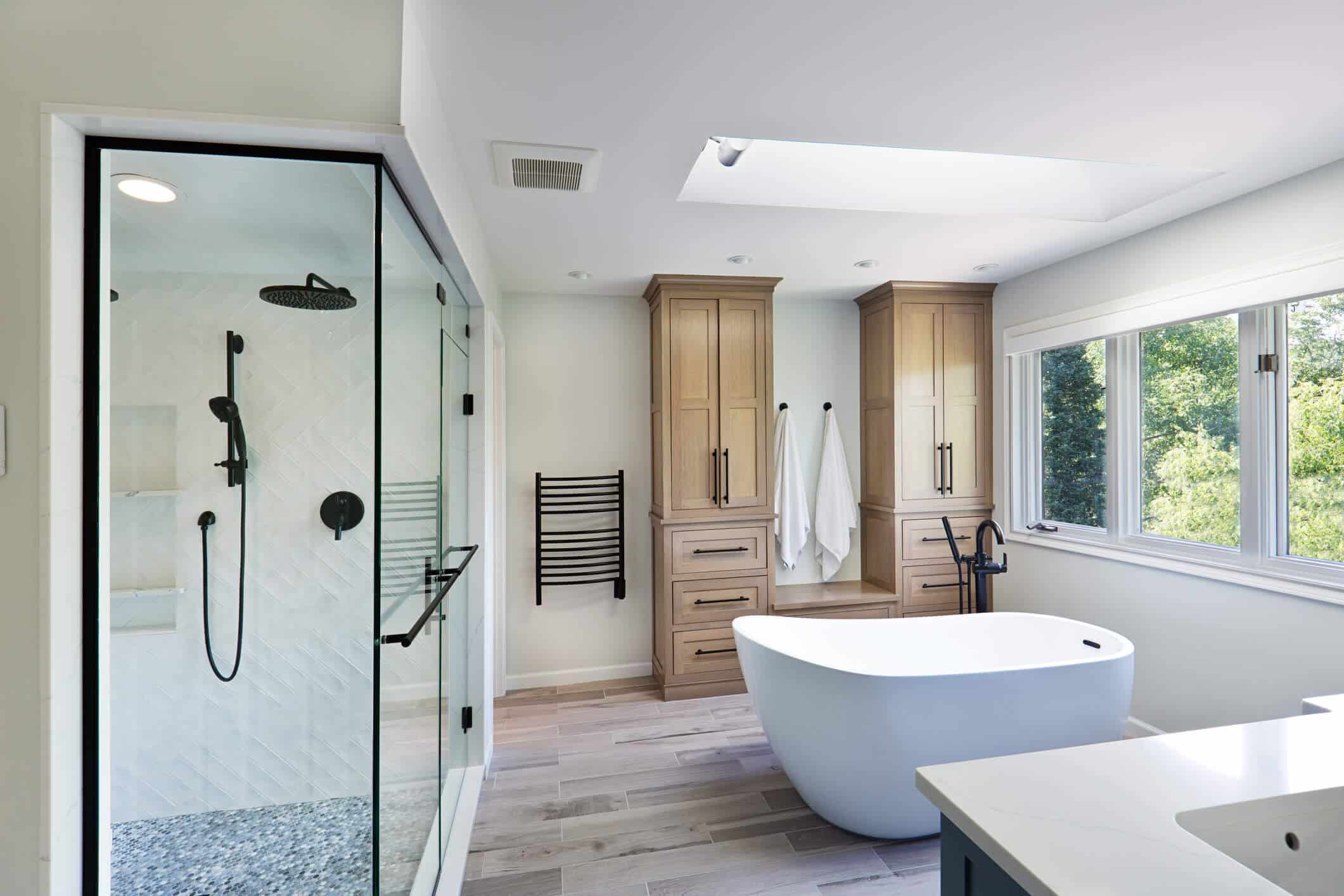
Bathroom remodel planning often begins with one central question, as early decisions shape the budget, timeline, and long-term functionality of the space. Goals can vary widely, from a complete transformation to targeted improvements that enhance comfort and usability. The choices made during this process influence layout, fixtures, and overall design, while also addressing aging materials, changing household needs, or updated aesthetics. Effective planning requires a clear understanding of the difference between a full renovation and a partial update, along with careful consideration of cost, disruption, and future value. Remodel outcomes are strongest when the selected approach aligns closely with practical needs and available options.
Renovation planners often weigh whether to commit to a full overhaul or focus on specific areas. Each approach has advantages and limitations. Understanding these differences helps homeowners make informed decisions that suit their lifestyle, timeline, and investment goals. General information about renovation planning and services can be found through home renovation services.
Understanding a Full Bathroom Remodel
A full bathroom remodel involves updating nearly every element of the space. This approach typically includes changes to layout, plumbing fixtures, finishes, and sometimes structural components. The goal is to create a bathroom that functions differently or meets updated standards.
A complete bathroom renovation is often chosen when the existing bathroom no longer meets household needs. Older layouts, outdated materials, or recurring maintenance issues can justify a full transformation. This option allows homeowners to rethink how the space is used rather than working around existing limitations.
Because everything is addressed at once, a full remodel provides consistency in design and performance. However, it also requires more planning, time, and coordination.
What Defines a Partial Bathroom Renovation
A partial renovation focuses on specific elements rather than the entire space. This approach may involve replacing fixtures, updating surfaces, or refreshing finishes without altering the layout or major systems.
Bathroom renovation remodel projects of this type are often chosen when the overall structure is sound, but certain features feel outdated or worn. For example, homeowners may update vanities, flooring, or wall finishes while leaving plumbing locations unchanged.
Partial renovations are generally less disruptive and more flexible. They allow homeowners to prioritize areas that matter most while managing costs and timelines more carefully.
Comparing Scope and Complexity
One of the main differences between a full remodel and a partial renovation is scope. A full bathroom remodel addresses the space as a whole, while a partial renovation targets specific improvements.
In a full remodel, planning must account for:
- Layout changes and spatial flow
- Plumbing and electrical updates
- Waterproofing and ventilation
- Coordinated finishes throughout the room
A partial renovation usually focuses on surface level or functional updates. While it may still require professional planning, the complexity is typically lower because existing systems remain in place.
Understanding the scope helps renovation planners assess whether the project aligns with their expectations and resources.
Budget Considerations and Cost Control
Budget plays a central role in deciding between a full remodel and a partial renovation. A complete bathroom renovation usually involves higher upfront costs due to labor, materials, and extended timelines.
Partial renovations often allow for better cost control. Homeowners can allocate funds to the most visible or frequently used features while postponing other updates. This approach can be practical when working within financial constraints or planning improvements in stages.
However, it is also important to consider long term costs. In some cases, multiple partial updates over time may exceed the cost of a single comprehensive remodel.
Timeline and Disruption to Daily Life
Renovation timelines vary significantly between these two approaches. A full bathroom remodel can take several weeks, depending on complexity and material availability. During this time, the bathroom may be unusable.
Partial renovations are typically completed more quickly and may allow limited use of the space during the process. This can be an important factor for households with limited bathroom access.
Renovation planners should consider how much disruption they can accommodate and whether temporary alternatives are available.
Design Flexibility and Customization
A full remodel offers the greatest design flexibility. Homeowners can change layouts, improve accessibility, and integrate modern features that were not possible within the original structure.
This approach is often chosen when design preferences have changed significantly or when the bathroom no longer supports current needs. Features such as walk in showers, additional storage, or improved lighting can be incorporated more easily.
Partial renovations provide more limited design options because they work within existing constraints. While finishes and fixtures can be updated, the fundamental layout usually remains the same.
Addressing Functional and Structural Issues
Some bathrooms require more than surface updates. Persistent moisture problems, outdated plumbing, or ventilation issues may indicate the need for a full remodel.
A complete bathroom renovation allows these underlying concerns to be addressed comprehensively. This can improve long term performance and reduce the likelihood of future repairs.
Partial renovations may not resolve deeper issues if they exist beneath the surface. Renovation planners should assess whether cosmetic updates are sufficient or if more extensive work is necessary.
Impact on Property Value
Both full and partial renovations can influence property value, but in different ways. A full bathroom remodel often appeals to buyers seeking modern, move in ready homes. It can enhance perceived quality and reduce concerns about future renovations.
Partial renovations may still improve appeal by updating visible elements. However, buyers may notice remaining outdated features or assume additional work is needed.
For homeowners planning to sell, the decision often depends on market expectations and the condition of comparable properties.
When a Partial Renovation Makes Sense
A partial renovation is often suitable when the bathroom layout functions well and major systems are in good condition. This approach works best for cosmetic updates or minor functional improvements.
Situations where partial renovation is appropriate include:
- Updating finishes without changing layout
- Replacing aging fixtures
- Improving lighting or storage
- Refreshing surfaces affected by normal wear
This option allows homeowners to improve comfort and appearance without committing to a full overhaul.
When a Full Bathroom Remodel Is the Better Choice
A full remodel is usually the better option when the bathroom no longer meets practical needs. This may include outdated layouts, accessibility concerns, or recurring maintenance problems.
Renovation planners may choose a full remodel when:
- The bathroom requires structural or system upgrades
- Space needs to be reconfigured
- Long term performance is a priority
- Multiple elements need replacement simultaneously
In these cases, addressing everything at once can be more efficient than making incremental changes.
Planning and Professional Guidance
Whether planning a full remodel or partial renovation, careful planning is essential. Understanding scope, budget, and goals helps avoid unexpected challenges.
Exploring different renovation approaches and understanding available options can support better decision making. Additional information about renovation services and project planning can be found through renovation services.
Professional input can also help homeowners evaluate existing conditions and choose the most appropriate renovation strategy.
Making the Right Decision for Your Needs
Choosing between a full bathroom remodel and a partial renovation depends on several factors, including budget, timeline, and long-term goals. There is no single correct answer for every situation.
Renovation planners benefit from assessing current conditions honestly and considering how the space will be used in the future. Aligning renovation decisions with realistic expectations leads to better outcomes.
For renovation planners seeking further guidance or clarification on bathroom renovation options, enquiries can be made by contacting info@vkrenovations.ca.
Frequently Asked Questions
1. What is the main difference between a full remodel and a partial renovation?
A full remodel updates the entire bathroom, while a partial renovation focuses on specific elements without changing the overall structure.
2. Is a complete bathroom renovation always more expensive?
Generally yes, but the final cost depends on scope, materials, and complexity. Some partial renovations may become costly if repeated over time.
3. Can a partial renovation address functional problems?
It can address minor issues, but major structural or system problems usually require a full remodel.
4. How do I know which option suits my home?
Evaluating the condition of the bathroom, your budget, and long term plans helps determine the best approach.
5. Should I consult a professional before deciding?
Yes. Professional assessment can clarify whether cosmetic updates are sufficient or if a more comprehensive solution is needed.