


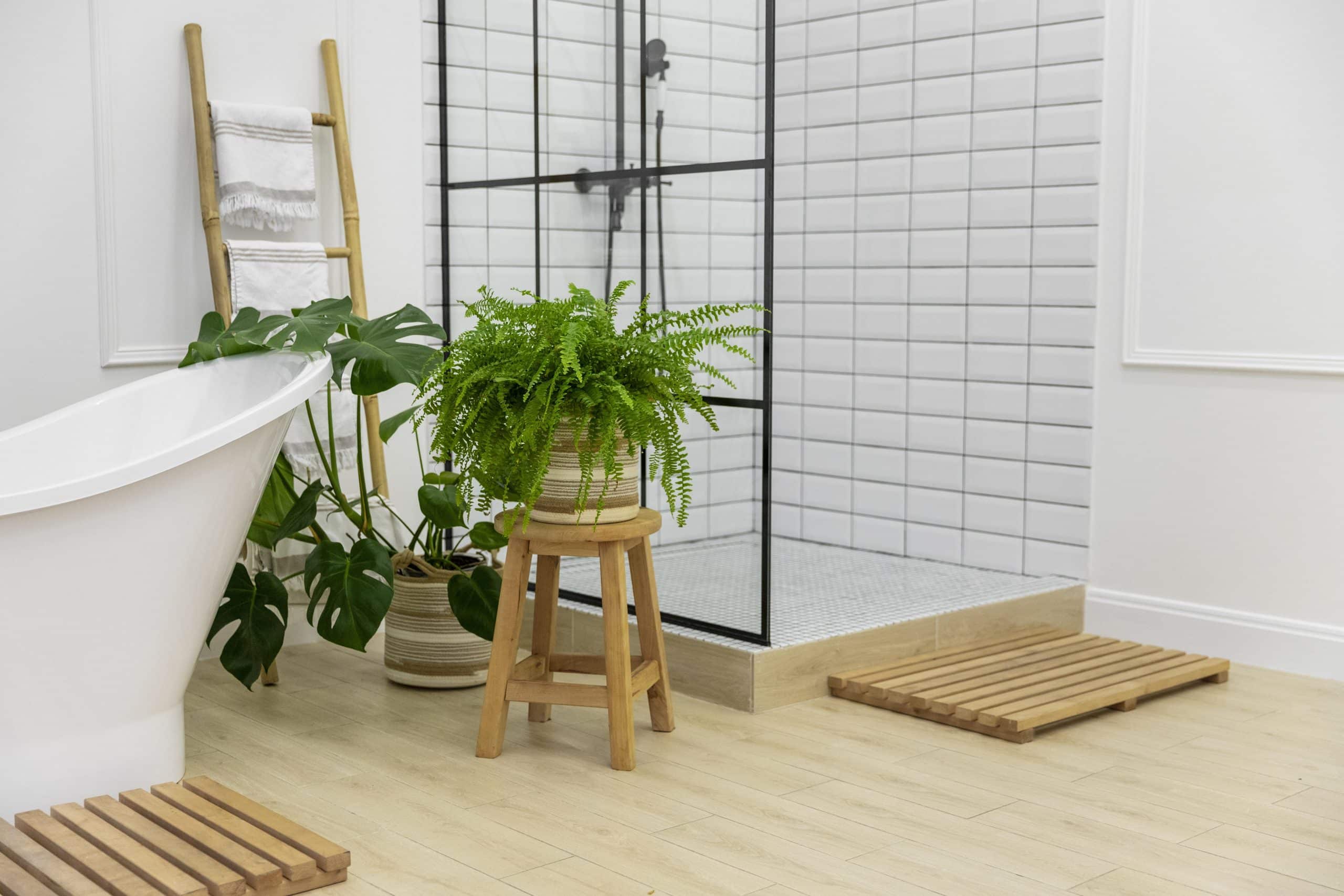
A Bathroom Floor is one of the most important surfaces in a home because it must withstand constant moisture, temperature changes, and daily foot traffic. When planning a Bathroom Floor upgrade, understanding the correct tiling process helps reduce long term issues such as loose tiles or water seepage. A Bathroom Floor that is installed properly provides durability, safety, and ease of maintenance over time. Homeowners considering a Bathroom Floor project benefit from learning how preparation, layout, and installation techniques all work together to support a reliable finish. Taking time to understand each stage of the process allows for better planning and fewer mistakes during installation.
Tiling a bathroom requires patience, attention to detail, and a structured approach. Each step builds upon the previous one, which is why skipping preparation or rushing the work can lead to problems later. Homeowners who want a clear understanding of renovation basics can review general guidance through home renovation information resources.
Tools and Materials Needed
Having the correct tools and materials ready before starting the project helps ensure the installation process runs smoothly. Proper preparation reduces interruptions and prevents mistakes caused by rushed decisions or missing supplies.
Common materials and tools typically include floor tiles rated for wet areas, tile adhesive designed for bathrooms, grout suitable for moisture exposure, tile spacers for consistent gaps, a notched trowel for spreading adhesive, a tile cutter or wet saw for accurate cuts, and measuring tools to ensure alignment. Selecting materials that are appropriate for bathroom conditions supports durability and helps maintain the appearance of the finished surface.
Step 1 Preparing the Subfloor
Subfloor preparation is one of the most critical stages of tiling. A Bathroom Floor relies on a stable and level base to prevent movement, cracking, or tile separation over time. Any unevenness or moisture issues beneath the tiles can compromise the entire installation.
Preparation usually involves removing old flooring, checking for water damage, and repairing weak or damaged areas. The surface should be clean, dry, and level before moving forward. In some cases, applying a leveling compound may be necessary to correct imperfections. Taking extra time during this stage significantly improves the long term performance of the tiled surface.
Step 2 Planning the Tile Layout
Planning the layout before applying adhesive helps ensure a balanced and visually consistent result. Dry fitting tiles allows homeowners to see how the tiles will align with walls, fixtures, and doorways before they are permanently installed.
During this stage, the center point of the room is typically identified to create even tile distribution. Tiles are laid without adhesive to test spacing and alignment, and adjustments are made to avoid narrow cuts at the edges. Careful planning helps reduce tile waste and supports a cleaner final appearance.
Step 3 Applying Tile Adhesive
Tile adhesive is responsible for bonding the tiles securely to the subfloor. Applying adhesive evenly helps ensure tiles sit flat and remain stable once cured. A notched trowel is commonly used to create consistent ridges that allow proper adhesion.
Adhesive should be spread in manageable sections to prevent it from drying before tiles are placed. Maintaining a consistent trowel angle helps achieve uniform coverage. Excess adhesive should be avoided, as it can interfere with grout lines and tile alignment. Careful application supports a strong and even bond.
Step 4 Laying the Tiles
Placing the tiles requires precision and frequent checks to maintain alignment. Tiles are typically set starting from the center of the room and worked outward to maintain balance. Each tile should be pressed firmly into the adhesive to ensure full contact.
Tile spacers are used to maintain consistent gaps between tiles, which helps with grout application later. A level should be used regularly to confirm the surface remains even. Taking time during this step helps prevent uneven tiles and improves the overall appearance of the finished Bathroom Floor.
Step 5 Cutting Tiles for Edges and Fixtures
Most bathrooms require tile cuts to fit around walls, toilets, and plumbing fixtures. Accurate cutting ensures tiles fit neatly without gaps or misalignment.
Measurements should be taken carefully before cutting, and tiles should be marked clearly. Using appropriate cutting tools helps achieve clean edges and reduces the risk of breakage. Safety equipment should be worn during this process to protect against dust and sharp edges. Proper cutting contributes to a polished and professional looking installation.
Step 6 Allowing Adhesive to Set
Once all tiles are in place, the adhesive must be allowed to cure fully before any additional work is done. This curing period ensures tiles remain secure and do not shift during grouting.
Walking on tiles before the adhesive has set can weaken the bond and cause alignment issues. Following manufacturer recommended curing times is essential. Patience during this stage helps protect the integrity of the installation and prevents future problems.
Step 7 Applying Grout
Grout fills the spaces between tiles and helps protect the subfloor from moisture penetration. It also contributes to the overall appearance of the tiled surface.
Grout is applied using a rubber float and worked diagonally across joints to ensure full coverage. Excess grout should be removed promptly to prevent residue from drying on tile surfaces. After initial setting, tiles are cleaned with a damp sponge to achieve a smooth and uniform finish.
Step 8 Sealing and Final Cleaning
Some grout types require sealing to enhance moisture resistance and prevent staining. Applying sealer according to product instructions helps maintain the appearance and performance of the tiled floor.
Final cleaning removes any remaining grout haze and allows the surface to be inspected for imperfections. Addressing small issues at this stage helps ensure the Bathroom Floor remains durable and visually consistent over time.
Common Mistakes to Avoid
Many tiling problems occur due to skipped steps or rushed work. Poor subfloor preparation, incorrect adhesive selection, and inconsistent spacing can all lead to premature tile failure.
Avoiding these mistakes requires careful planning, proper tools, and attention to detail throughout the installation process. Taking time to follow each step helps support a long lasting result.
When Professional Help May Be Needed
Some bathrooms present challenges such as uneven subfloors, complex layouts, or limited space. In these cases, professional assistance may help ensure the project is completed correctly.
Details about professional renovation support can be reviewed through bathroom and flooring service details.
Getting Advice Before Starting
Homeowners who are unsure about materials, preparation, or installation techniques may benefit from expert guidance before beginning work. Early advice can help prevent costly mistakes and delays.
Questions or planning enquiries can be sent through a renovation consultation email.
Frequently Asked Questions
1. Can I tile directly over existing flooring
This depends on the condition and material of the existing surface. Proper inspection is required before proceeding.
2. How long does bathroom floor tiling take
Most projects require several days, including preparation, adhesive curing, and grout setting.
3. What type of tile is suitable for bathrooms
Tiles designed for wet environments with appropriate slip resistance are generally preferred.
4. Is waterproofing necessary before tiling
Waterproofing is often recommended to protect the subfloor from long term moisture exposure.
5. Can tiles be installed on uneven floors
Uneven surfaces should be leveled before tiling to prevent cracking and movement.